
Celebrating America's 250th Birthday: 250 Years on Route 250
A Series Highlighting the Businesses Shaping the US 250 Corridor
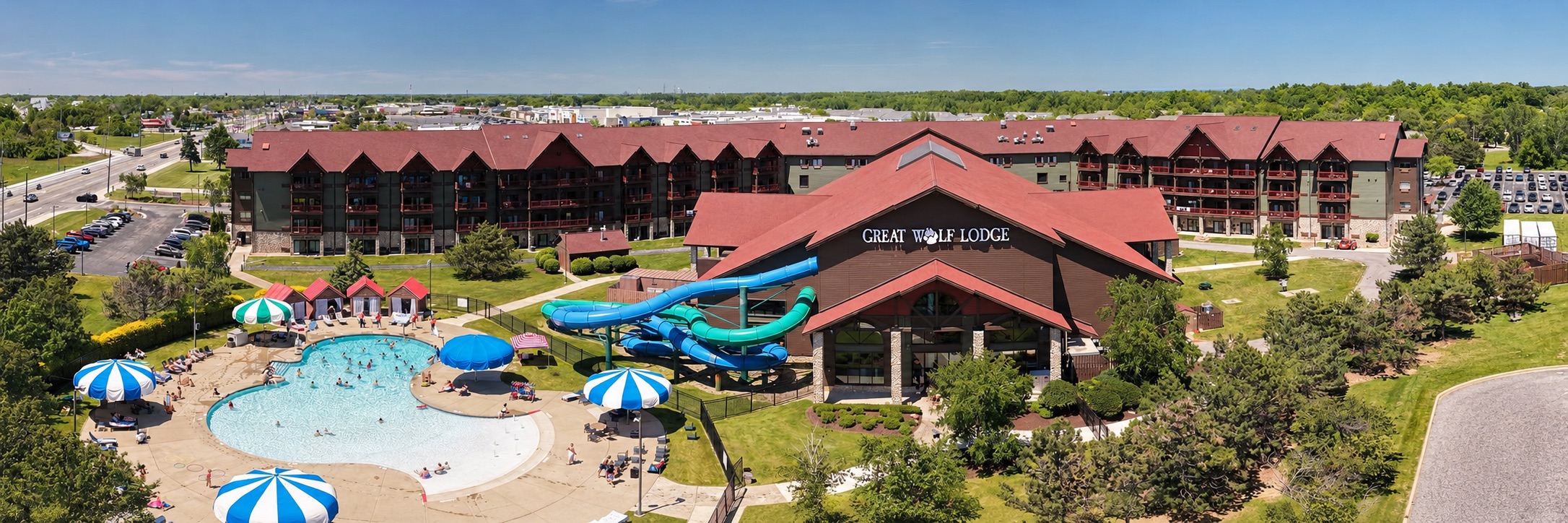
Great Wolf Lodge
The “Crazy Idea” That Helped Change Sandusky into a Year-Round Destination
An indoor waterpark resort in Sandusky? Open year-round? Drawing families in the middle of an Ohio winter? Twenty-five years ago, the idea sounded unlikely.
Today, that concept feels inseparable from the identity of the region. But in 2001, when Great Bear Lodge first opened along US 250, there was no guarantee the idea would work.
“There was a real question,” said current General Manager Jes McAdam-Sellers. “Could this market support it?”
Twenty-five years later, the answer is obvious.
The resort now known as Great Wolf Lodge has become more than a successful hospitality destination. It helped reshape the trajectory of tourism in the Sandusky Bay region and proved this area could thrive far beyond the traditional summer season.
In many ways, the story of Great Wolf Lodge is also the story of US 250 itself — a corridor that evolved from a pass-through roadway into one of Ohio’s most recognizable tourism and hospitality districts.
“It was the birth of both the lodge and the idea that this region could be a year-round destination,” Jes said.
At the time Great Bear Lodge opened on March 15, 2001, Route 250 looked very different than it does today. According to the resort’s first General Manager, Jeff Lococo, the corridor was still relatively undeveloped from a tourism standpoint.
“The Sandusky Mall and Meijer’s were the only two major developments,” Jeff recalled. “Route 250 did not have any tourist-related destination properties or long-term stay hotels at the time.”
The property itself had once been part of Davlin’s Farm. But the company that would eventually become Great Wolf Resorts saw something others hadn’t fully imagined yet: potential.
The Sandusky market shared similarities with Wisconsin Dells, where the indoor waterpark concept had already proven successful. Large population centers like Cleveland, Detroit, Columbus, and Toledo sat within driving distance. Cedar Point and the Lake Erie Islands already brought visitors to the region. The ingredients were there.
What followed was the maturation, as Jes describes it, of “a crazy idea that worked.”
Jes remembers seeing the lodge under construction as a kid growing up in Shaker Heights near Cleveland.
“I remember driving by and thinking it was odd,” he said with a laugh.
Now, decades later, he’s leading the very property he once watched being built.
That full-circle journey mirrors what many people have experienced with the resort itself.
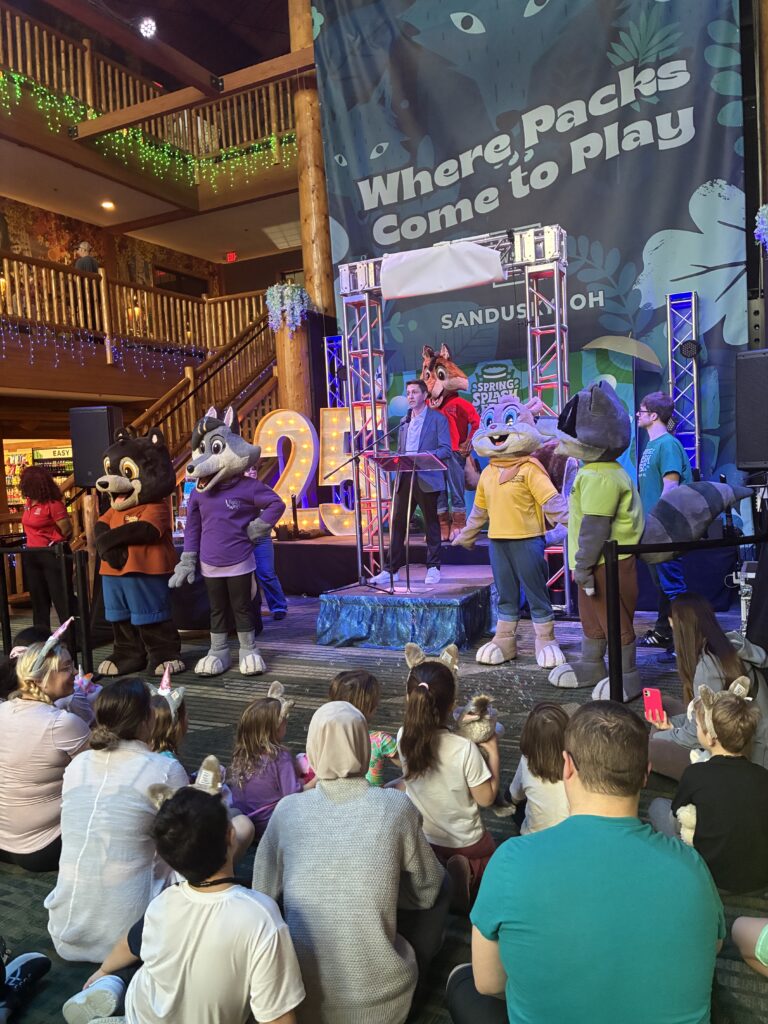
Families who visited with young children now return with grandchildren. One family has visited 33 times in 25 years. Others have made annual trips part of their traditions.
“For a lot of people, this is one of the most important days of their year,” Jes said. “We get to be part of that.”
That sense of hospitality and emotional connection is something Jes believes defines the people who work in the tourism industry.
“People in hospitality all have the same bug,” he said. “They want to serve others. They want to bring joy to people and their families.”
Today, the Sandusky lodge employs between 300 and 400 people year-round and continues to evolve alongside the company’s national growth. There are now 23 Great Wolf Lodge locations across North America with additional resorts under development.
But the Sandusky lodge remains an important chapter in the company’s story.
Originally, the resort opened as Great Bear Lodge. Another property operated as Black Wolf Lodge. Eventually, the company combined the naming structure under one recognizable national brand: Great Wolf Lodge.
Before the doors even opened, reservations were already being taken from a small wooden cabin on the property. Employees answered phones and tracked bookings by hand in journals and notebooks.
Some of those original team members are still there today.
Jes says eight employees who started during the lodge’s opening year still work at the resort 25 years later. He now refers to them as the lodge’s “Great Bear Pack,” honoring the property’s original identity and the people who helped establish it.
Their longevity reflects something larger than operational success. It reflects the culture and consistency required to sustain a destination business for a quarter century.
And the lodge’s influence extended far beyond its walls.
According to Jeff, Great Wolf Lodge helped trigger additional tourism and hospitality development along the US 250 corridor and throughout the region.
“Great Wolf Lodge Sandusky was the reason other development came to the area,” he said.
Businesses clustered nearby to benefit from the new year-round visitor traffic. The success of the indoor waterpark model also influenced future tourism investments throughout the region, including additional indoor resorts and sports tourism facilities.
Perkins Township Board of Trustees Chair Tim Coleman said the lodge became a catalyst for the corridor’s transformation.
“This investment certainly changed the future of the US 250/Milan Road corridor,” Coleman said. “Since its opening, a viable year-round tourism and hospitality sector has expanded and flourished. The Township is extremely thankful for Great Wolf Lodge and the significant impact that it has had on the economy of our community as well as our region. Great Wolf Lodge exemplifies the importance of having a vision for the future and acting in a manner that ensures its continued success.”
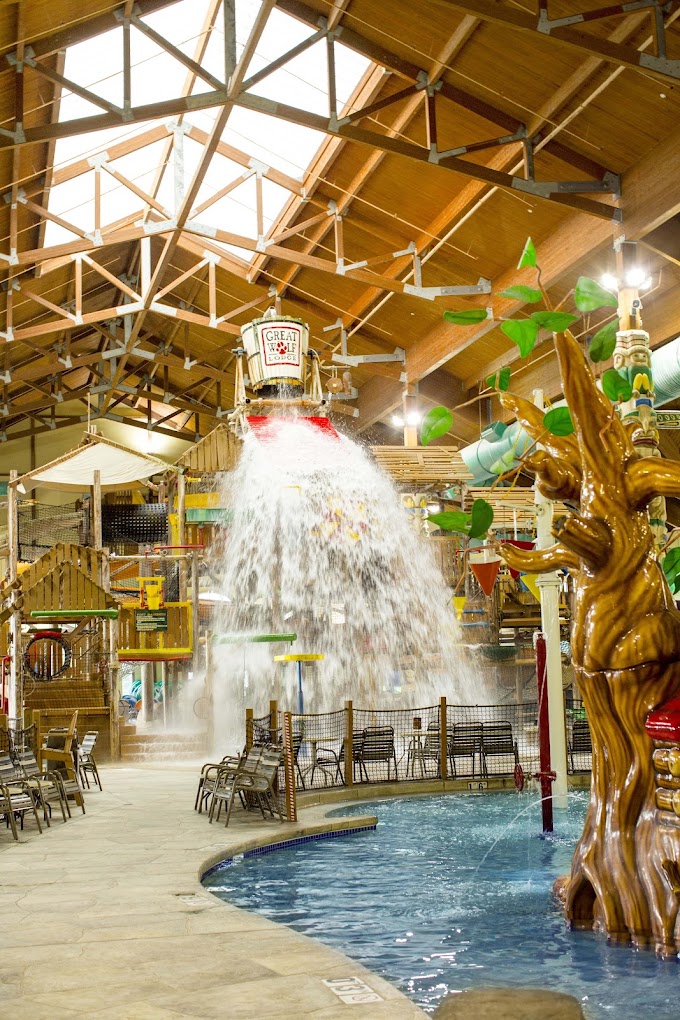
Twenty-five years later, the corridor continues to evolve, but the idea that began with Great Bear Lodge—that visitors would come to the region throughout the year—has become part of the area’s identity.
Jes sees the corridor as collaborative rather than competitive.
“There’s a symbiotic relationship along 250,” he explained. “The businesses help each other by adding to the appeal of the destination.”
That spirit of interconnectedness has become part of the modern identity of the Sandusky Bay region. Visitors may come for one attraction, but their experience stretches across restaurants, hotels, entertainment venues, waterfront spaces, shops, and outdoor recreation throughout the area.
Jes believes that diversity is one of the region’s greatest strengths.
“You can come here for natural resources and relaxation but also thrilling, action-packed entertainment,” he said.
Even after 25 years, Great Wolf Lodge continues to evolve. The company regularly updates attractions, guest experiences, and even its signature characters and animation styles to reflect changing trends and new generations of families.
“We improve every day,” Jes said.
That mindset has helped the lodge remain relevant while also becoming deeply nostalgic for many guests who grew up visiting it.
For Jes personally, working at Great Wolf Lodge also reconnects him to memories of working at Geauga Lake Amusement Park years ago — another place built around creating joy and shared experiences.
And perhaps that’s what this story really comes down to.
Not just the success of a resort. Not just the growth of a tourism corridor. But the people willing to believe in an idea before there was proof it would work.
Twenty-five years later, Great Wolf Lodge stands as one of the defining stories along US 250 — a reminder that sometimes the projects that reshape a region begin as concepts that seem just a little too ambitious at first.